BERKELEY COUNTY, S.C. – The U.S. Supreme Court on Wednesday declined South Carolina’s request to immediately enforce its bathroom law against a transgender student in Berkeley County, leaving in place a lower court order that allows the student to continue using the boys’ restroom while the case proceeds.
In a brief, unsigned order, the justices denied South Carolina Attorney General Alan Wilson’s application for emergency relief on the state’s budget proviso that requires public school students to use the bathroom of the gender assigned at birth. The court emphasized that the decision was not a ruling on the merits but was based on the high standard required for emergency intervention.
Three justices — Clarence Thomas, Samuel Alito and Neil Gorsuch — said they would have granted the request.
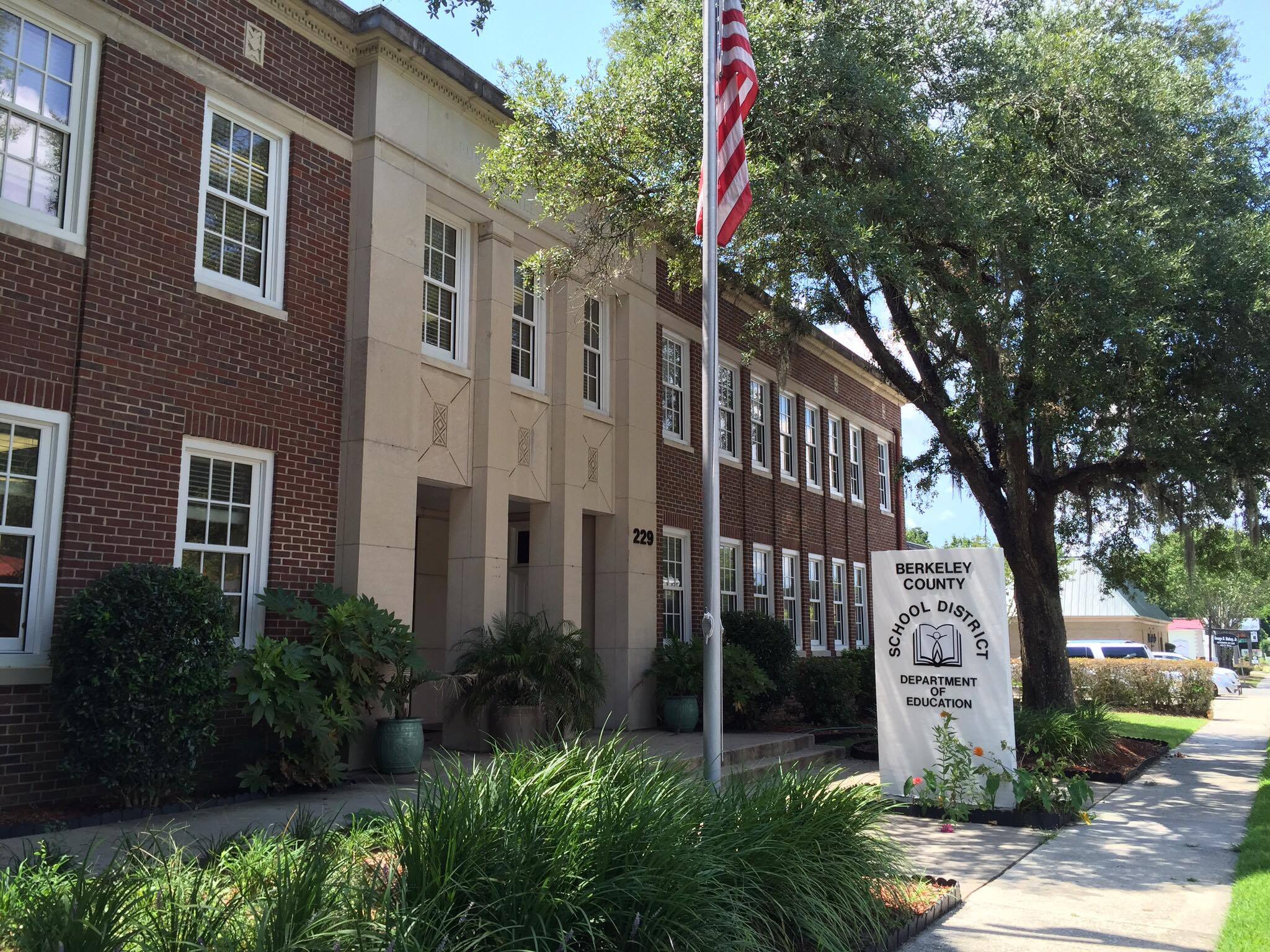
The case stems from litigation in Berkeley County School District, where a transgender student challenged the law after being barred from the boys’ restroom.
In 2020, the U.S. Court of Appeals for the Fourth Circuit affirmed that transgender students have the right to use restrooms aligned with their gender identity. Despite this binding precedent, South Carolina enacted Proviso 1.120 in the summer of 2024, a budget provision that explicitly prohibits such access, marking a deliberate escalation in the broader campaign against transgender rights both statewide and nationally.
As a direct consequence, a thirteen-year-old transgender boy in Berkeley County was suspended for using the boys’ restroom at school, said the attorneys for the student.
In Nov. 2024, Public Justice, joined by two partner law firms, filed a class action lawsuit in federal court in South Carolina on behalf of John Doe, his family, and the Alliance for Full Acceptance, a local LGBTQ+ advocacy organization. The suit challenges the state’s restroom restrictions under Title IX, which prohibits sex-based discrimination in education, and the Equal Protection Clause of the U.S. Constitution.

On Aug. 12, 2025, the U.S. Court of Appeals for the Fourth Circuit issued an injunction in John’s favor, temporarily blocking enforcement of the state’s restroom ban against him while the appeal proceeds. The court ruled that South Carolina, the Berkeley County School District, and other defendants are “enjoined from enforcing or complying with the ban on transgender students using restrooms that match their gender identities during the pendency of this appeal.” The Fourth Circuit also rejected the defendants’ attempt to dismiss the case.
On Wednesday, the U.S. Supreme Court opted not to intervene in a dispute over which restroom a Berkeley County student may use. The move was celebrated by the transgender student’s legal team.
“Today’s decision from the Supreme Court reaffirms what we all know to be true: Contrary to South Carolina’s insistence, trans students are not emergencies. They are not threats. They are young people looking to learn and grow at school, despite the state-mandated hostility they too often face. We are so thrilled that our client will continue to be able to use boys’ restrooms while his appeal continues, and hope today’s decision will provide hope to other trans students and their families during these difficult times,” said Alexandra Brodsky, Litigation Director for Public Justice’s Students’ Civil Rights Project, in a statement.
Meanwhile, South Carolina Attorney General Alan Wilson expressed disappointment with the Court’s decision but vowed to continue the legal fight.
“While we are disappointed in the Court’s decision, we respect the process and will comply with the ruling,” Wilson said in a statement. “This ruling only maintains an exception for one student. The state’s bathroom law remains in full effect for everyone else. We may have lost this battle, but we believe we will ultimately win the war. The order made it clear that it wasn’t a ruling on the merits of the legal issues; the Court just believed the standard for emergency relief wasn’t met. We will continue this fight at the Fourth Circuit and, if necessary, take it all the way to the U.S. Supreme Court. We are confident the law is on our side and will be upheld in the end.”
The dispute highlights ongoing tensions across the country as courts weigh state laws restricting transgender students’ access to bathrooms. For now, the Berkeley County student at the heart of the case will continue to use the boys’ restroom as the broader legal battle plays out in the Fourth Circuit Court of Appeals.