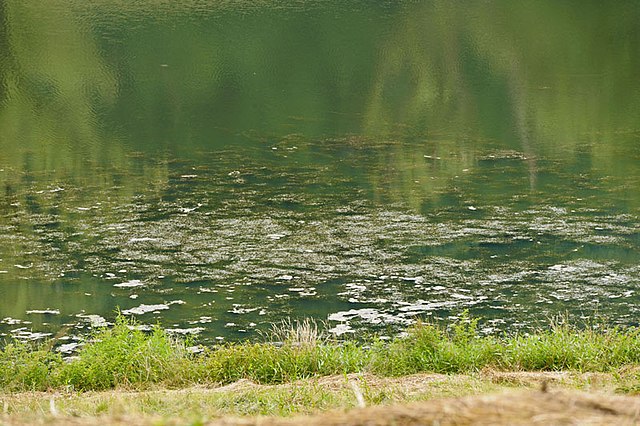
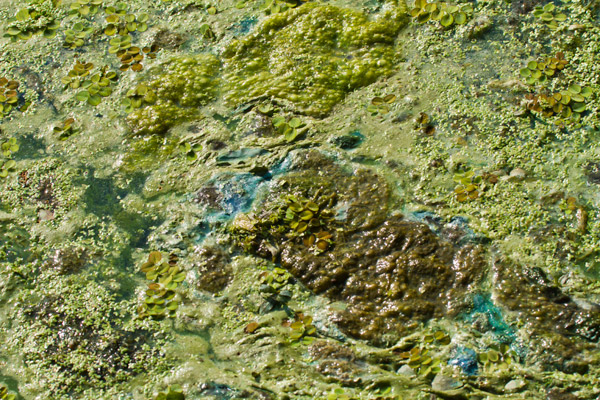
HANAHAN, S.C. – The South Carolina Department of Environmental Services (SCDES) has issued a Harmful Algal Bloom (HAB) Watch for Goose Creek Reservoir in Hanahan, following confirmed reports of a toxin-capable algal bloom. The bloom is composed of Dolichospermum, a species of cyanobacteria—commonly known as “blue-green algae”—that can produce toxins harmful to people, pets, and wildlife.
Algal blooms are naturally occurring phenomena in lakes, rivers, ponds, and coastal waters across the country. They consist of microscopic, plant-like organisms that thrive in warm, nutrient-rich environments. While many blooms are harmless, certain species can release toxins or pose risks to human and animal health. When these blooms contain or have the potential to produce such toxins, they are classified as harmful algal blooms (HABs).
HABs typically emerge during warmer, drier months and can persist for weeks. Under the right conditions—such as elevated temperatures and stagnant water—algae and cyanobacteria can multiply rapidly, forming dense mats or discoloration in affected waterbodies.
📣 STAY IN THE LOOP 📣
📰 Sign Up for Berkeley County, SC Newsletter ⬅️
In addition to the advisory for Hanahan, SCDES has issued a HAB Watch for Lake Wylie near Tega Cay, where a bloom of Microcystis has been identified in a cove near Gauguin Lane and Palmyra Drive. Similar blooms have recently been reported on the North Carolina side of the lake. Fortunately, current microcystin toxin levels in both Goose Creek Reservoir and Lake Wylie remain below recreational water quality thresholds.
Meanwhile, the HAB Watch for Broadway Lake in Anderson has been lifted, signaling improved conditions there.
SCDES has updated its Algal Bloom Monitoring map to reflect these changes and will continue to monitor the blooms closely. Residents are encouraged to stay informed and avoid contact with discolored or scummy water, especially in affected areas.
For more information on harmful algal blooms and how to stay safe, visit des.sc.gov/habs.