BERKELEY COUNTY, S.C. – Residents in Berkeley County and throughout the state can help the South Carolina Department of Health and Environmental Control (DHEC) track West Nile virus this spring and summer by submitting certain species of dead birds for lab testing.
DHEC’s dead bird surveillance program allows the agency to better understand where and when there is an increase in West Nile virus (WNV) activity, as a high rate of birds infected with the disease indicates an overall increase of the virus within a certain area. This activity is reported to local mosquito control programs, so they can take appropriate actions to help protect the health of residents.
“The public’s involvement with dead bird surveillance helps identify West Nile virus before it shows up in people,” said Dr. Chris Evans, State Public Health Entomologist. “This is a unique opportunity for the public to proactively assist their public health agency in staying ahead of a potential health risk.”
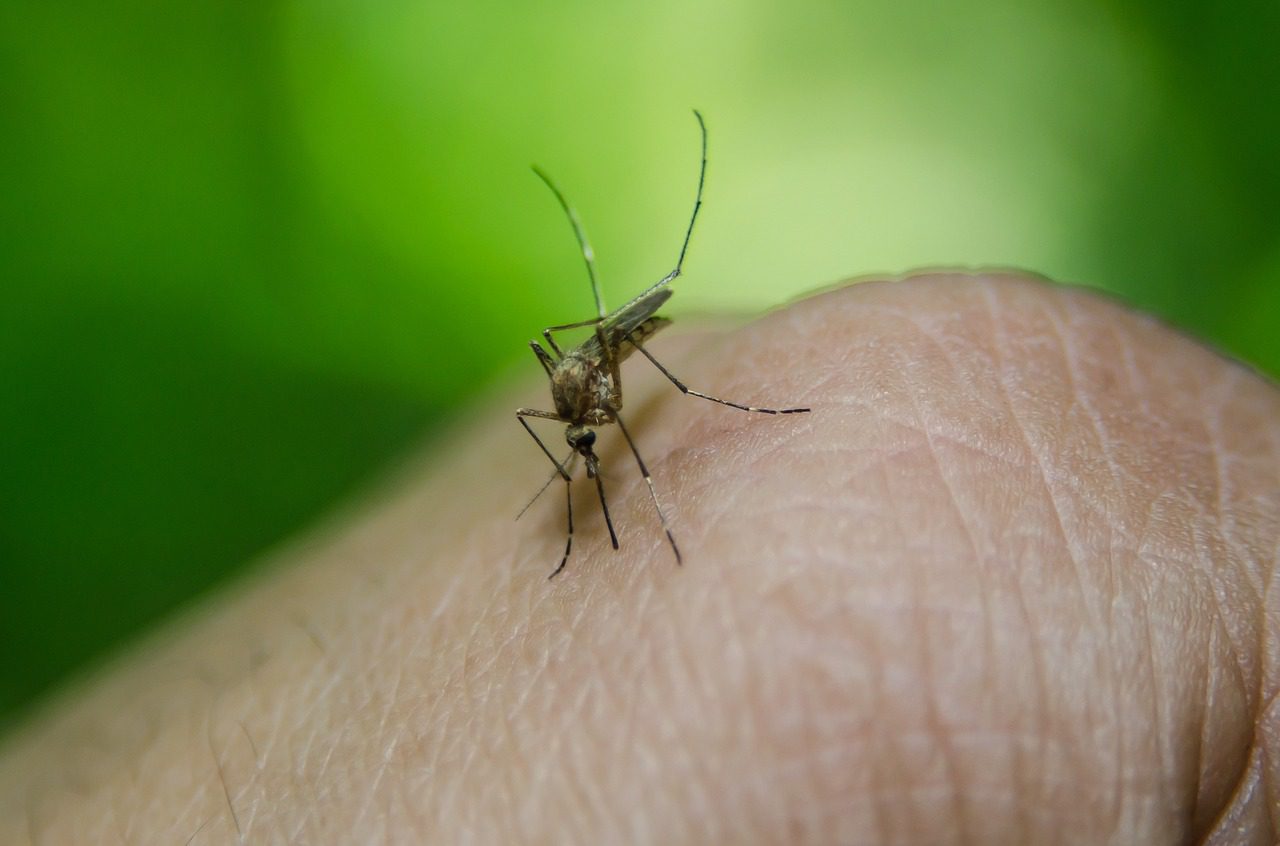
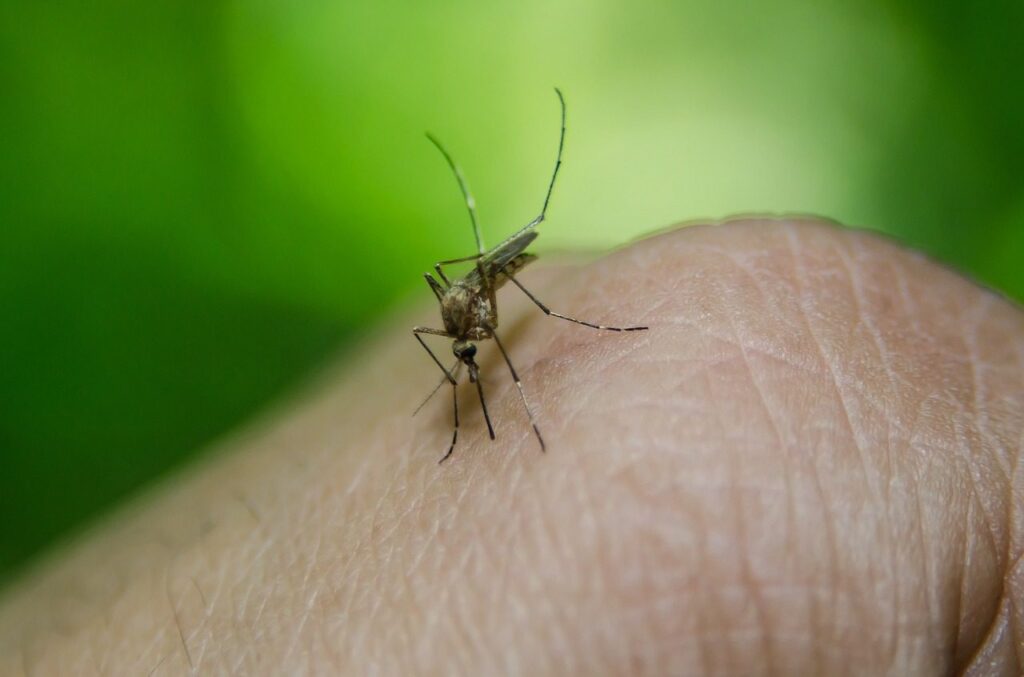
Mosquitoes become infected with WNV when they feed on infected birds that carry the virus in their blood. After one to two weeks, infected mosquitoes can transmit WNV to humans and other animals.
The amount of WNV activity varies from year to year. In 2018, a total of 87 birds submitted from 18 counties tested positive for WNV. In 2019 and 2021, only two birds submitted from two counties tested positive. In 2020, only one bird tested positive for WNV. DHEC’s Mosquito-Borne Disease Viewer map shows current and historic county-level information for identified non-human instances of WNV.
DHEC is asking Berkeley County residents to submit recently deceased crows, blue jays, house finches, and house sparrows that appear not to have been injured and are not decayed. These species of birds are more susceptible to WNV than other species, making them good candidates for testing. Birds other than crows, blue jays, house finches, and house sparrows will be tested on a case-by-case basis.
Deceased birds can be submitted to DHEC at local Environmental Affairs offices March 15 through November 30. To safely collect a dead bird, residents should follow these instructions:
- Don’t touch a bird, dead or alive, with bare hands. Use gloves or pick up the bird with doubled, plastic bags.
- Keep the bagged bird cool until it can be placed on ice. If the bird carcass can’t be delivered to DHEC within 36-hours of collection, place it on ice in a cooler, but do not allow water into the bags. Please do not refrigerate or freeze the carcass where food is stored.
- Download and complete the Dead Bird Submission and Reporting Sheet for West Nile Virus and take the sheet and dead bird to a local DHEC Environmental Affairs office during normal business hours (8:30 a.m.-5 p.m., Monday-Friday). See our interactive map of available offices for drop off.
For more information, including locating a local DHEC office for submitting deceased birds, visit scdhec.gov/birdtesting or contact the Medical Entomology Laboratory at 803-896-3802 or [email protected].
If you enjoy what you’re reading, please consider liking us on: Facebook, subscribing to our newsletter and following us on Twitter and Instagram. Feel free to also join our Facebook groups: Berkeley County, SC Residents: What’s On Your Mind?, Berkeley County Real Estate: Lots & Homes for Sale/Rent and Berkeley County, SC Jobs: Find a Job or Post a Job.
Psst!!! Got something to say and want to reach your neighbors? Not everyone is on social media. Check out our neighbor forum today and start a conversation. It’s easy! No registration/logging in is required to post. We’ll even amplify your forum post on Facebook to reach more people, too. [CLICK HERE TO START THE CONVO]